All Articles

Changing the Narrative of "Serpent's Head": From Khamenei and the IRGC to European Capitals

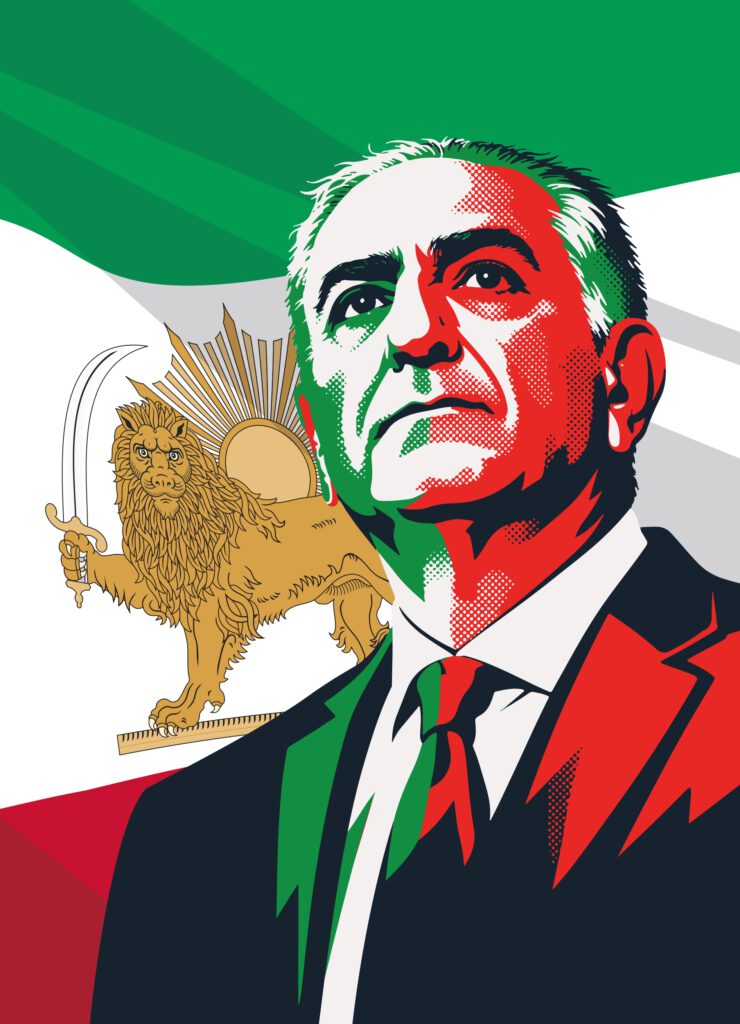
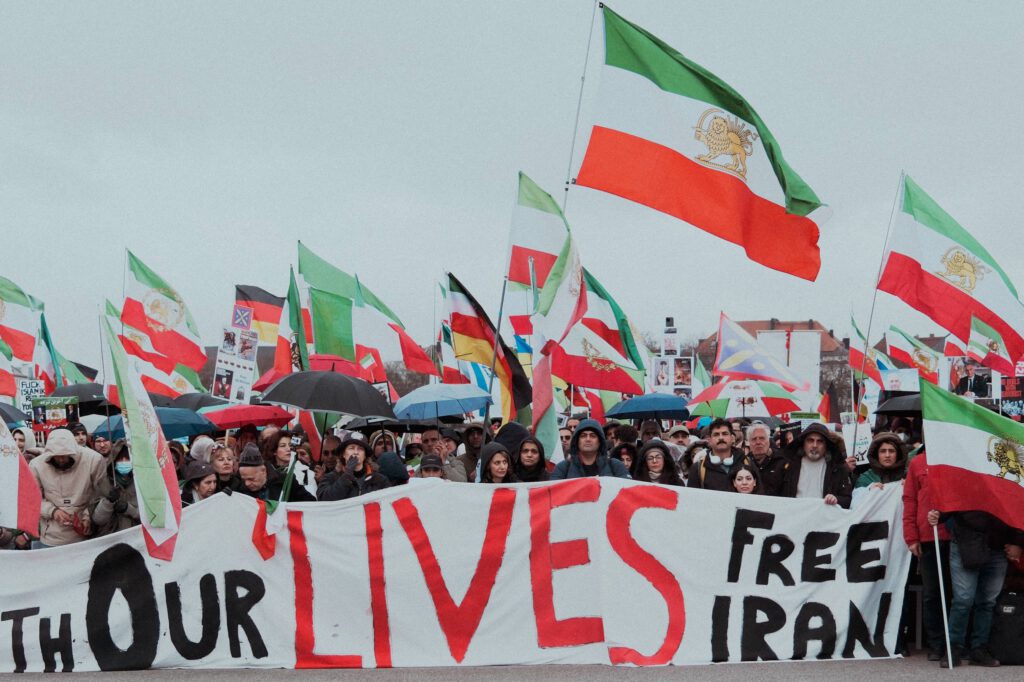
This article argues that the narrative of the "snake head" of the Islamic Republic should not be limited to Khamenei or the commanders of the IRGC, because the continuation of the regime after the removal of some leaders has shown that international support also plays a role in its survival. The author especially targets the European capitals and their political and economic relations with the Islamic Republic, and Reza Pahlavi's European trips, especially the trip to Berlin, is an attempt to break this atmosphere of appeasement and establish a direct relationship with Parliaments, policymakers and European media know. From the author's point of view, these meetings, while increasing political pressure on the Islamic Republic, strengthen the narrative of the Iranian people in the international media and stabilize Reza Pahlavi and the opposition movement of the Republic. Islam helps as a valid political alternative.

Read More

Behind the Reuters Report: Reproducing the Propaganda of 1979 Against Crown Prince Reza Pahlavi and the Monarchist Movement

The article examines Reuters’ July 28, 2026 report on Reza Pahlavi’s bid to lead Iran and argues that it presents a one-sided and biased narrative by emphasizing alleged weaknesses, downplaying popular support, and overlooking the repression, discrimination, and violence faced by monarchists. The author compares this approach to the coverage of some Western media outlets before the 1979 Revolution, which, she argues, undermined the Shah’s legitimacy while minimizing the existence of a credible alternative. In contrast, the article emphasizes Pahlavi’s self-description as a “bridge” toward a democratic future, his rejection of violence from all sides, and his claimed networks inside Iran, concluding that Reuters provides an incomplete portrayal of his position and the broader monarchist movement.

Read More

"Blood Has Been Spilled..."

The article draws a parallel between the American Revolution and Iran’s contemporary struggle, arguing that decades of repression have brought Iran to a “point of no return” where reform is no longer sufficient and national independence, sovereignty, and the reconstruction of a law-based polity have become the central demands. Drawing on John Adams, Hannah Arendt, Václav Havel, and Nietzsche, it contrasts the Islamic Republic’s death-centered ideological order with a vision centered on life, law, freedom, and national identity. The article interprets the renewed appeal of the Pahlavi era and the Lion and Sun as expressions of this desire for secular government, modernization, and a return to normal life, ultimately arguing that Iranians should freely choose between a republic and a constitutional monarchy as the future form of their polity.

Read More

Chronicles of the Ruination of the Iranian Human

The article explores the concept of human ruin and, in contrast, the idea of the “indestructible Iranian human,” drawing on the ideas of Maurice Blanchot, Susan Sontag, Giorgio Agamben, Friedrich Nietzsche, and Václav Havel.

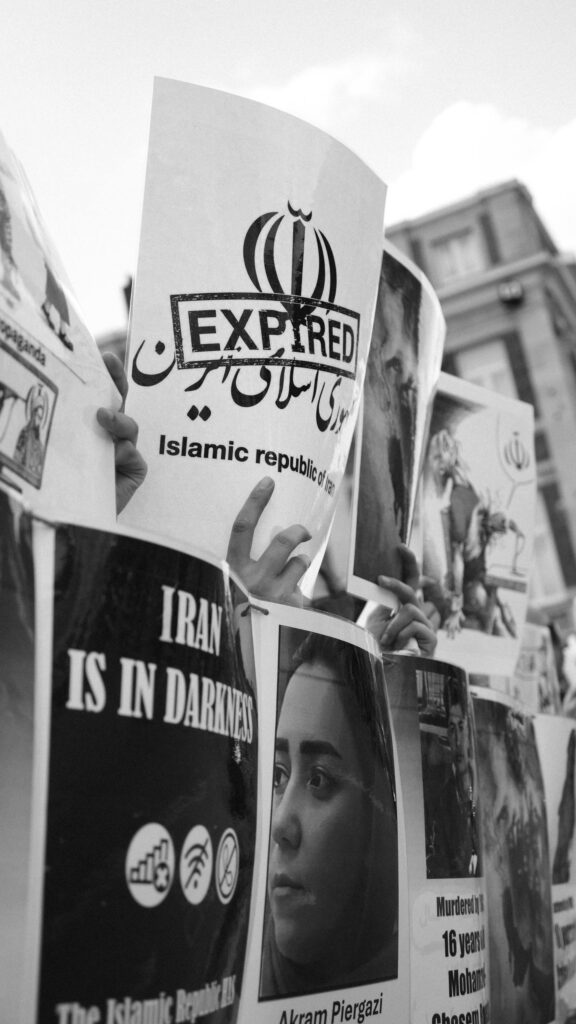
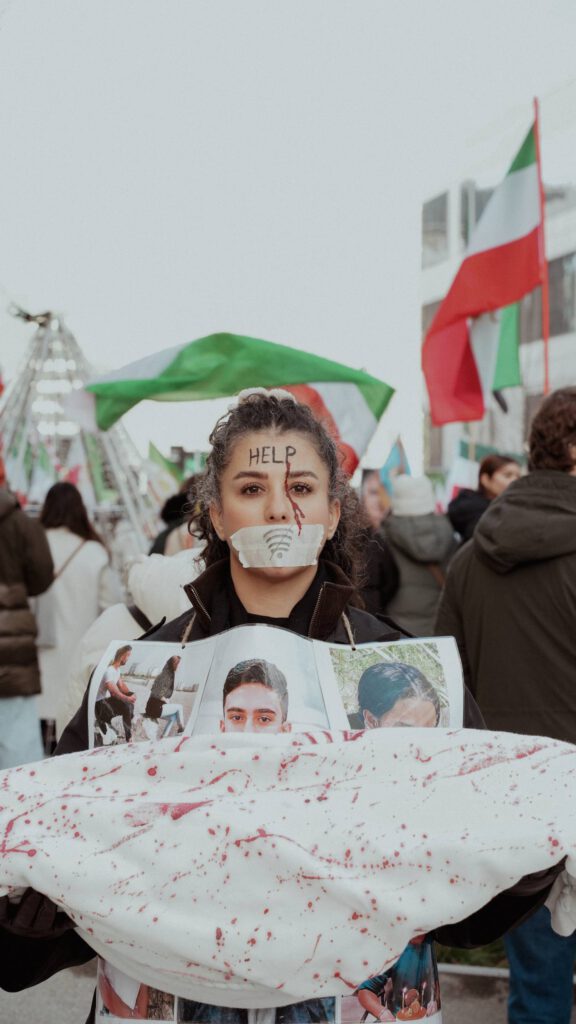
It argues that over nearly five decades, the Islamic Republic has sought to reduce the Iranian individual to an obedient, anonymous mass through repression, ideological control, and state institutions. Against this process of dehumanization, photography and visual testimony become tools for preserving truth and restoring human dignity—from Goya and Picasso to war photography and, today, images captured by Iranian citizens on their mobile phones.

Read More

The crisis of the Islamic Republic and the wrong decisions of its politicians

The crisis of the Islamic Republic, whether inside Iran or in the international sphere, is not caused by the wrong decisions of its politicians, groups that benefit from it, or its political factions; The crises of the Islamic Republic are essential, flowing from its existence and what it is they become Many western politicians and even some Iranian political activists still do not understand that the Islamic Republic is a state [...]

Read More