چگونه بازنگری در استقلال آمریکا از سلطنت بریتانیا ما را به استقلال سیاست ایران از آرمانشهر شیعه میرساند؟
*رولا زمزمه
در ۵ مارس ۱۷۷۰، جان آدامز، که بعدها به یکی از مهمترین پدران بنیانگذار ایالات متحده تبدیل شد، گامی خطرناک برداشت که خشم هموطنانش را برانگیخت: او موافقت کرد که از هشت سرباز بریتانیایی متهم به «قتل عام بوستون» دفاع کند. آدامز با وجود تمایلات آزادیخواهانهاش، معتقد بود که بر اساس نظریه های قانونی. و حاکمیت قانون نباید قربانی احساسات سیاسی شود. با این حال، پنج سال بعد، اوضاع اساساً تغییر کرد.
در آوریل ۱۷۷۵، زمانی که اولین گلولهها به لکسینگتون و کنکورد شلیک شد و ارتش بریتانیا خون کشاورزان و داوطلبان محلی را ریخت، صبر حقوقی آدامز به پایان استراتژیک خود رسید. در ماه مه ۱۷۷۵، در دومین کنگره قارهای در فیلادلفیا، او خطاب به نمایندگان محافظهکاری که هنوز به «دادخواست شاخه زیتون» و امید به آشتی با جورج سوم پایبند بودند، سخنرانی کرد. آدامز با لحنی قاطع اعلام کرد: «خون ریخته شده است...»
منظور او واضح بود: وقتی دولتی سلاح خود را به سمت شهروندان خود نشانه میگیرد، قرارداد اجتماعی به خاکستر تبدیل میشود. آدامز استدلال کرد که زمان مصالحه یا اصلاحات گذشته است و خون ریخته شده مرز برگشتناپذیری بین حکومت استعماری و حق تعیین سرنوشت را مشخص میکند. با این منطق سازشناپذیر، او نه تنها توماس جفرسون را برای تدوین اعلامیه انتخاب کرد، بلکه ... استقلال، اما همچنین یازده مستعمره دیگر را برای ایستادن در کنار ماساچوست بسیج کرد. در ژوئیه ۱۷۷۶، آنها جدایی کامل از تاج و تخت بریتانیا را اعلام کردند و جنگی طولانی را آغاز کردند که از طریق نبوغ نظامی جورج واشنگتن و حمایت مالی و نظامی فرانسه، رویای استقلال را به یک واقعیت ژئوپلیتیکی تبدیل کرد.
در ژانویه ۲۰۲۶، در حالی که جهان خود را برای بزرگداشت دویست و پنجاهمین سالگرد استقلال آمریکا و جشن گرفتن آرمانهای آزادی آماده میکند، منطق جان آدامز در مورد ... «نقطه بیبازگشت». این سخنان با قدرت در فضای سیاسی ایران طنینانداز میشود. دو قرن و نیم پس از آن سخنرانی قاطع، ملت ایران با واقعیتی تلخ روبروست. فرقهای جنایتکار که پس از دههها سرکوب و خونریزی، از سال ۲۰۰۹ تا ژانویه ۲۰۱۸، نوامبر ۲۰۱۹ و جنبش مهسا در سال ۲۰۲۲، به مدت ۴۷ سال ایران را اشغال کرده بود، سرانجام نقاب از چهره برداشته و مرتکب جنایتی شده است که تقریباً در تاریخ مدرن بیسابقه است.
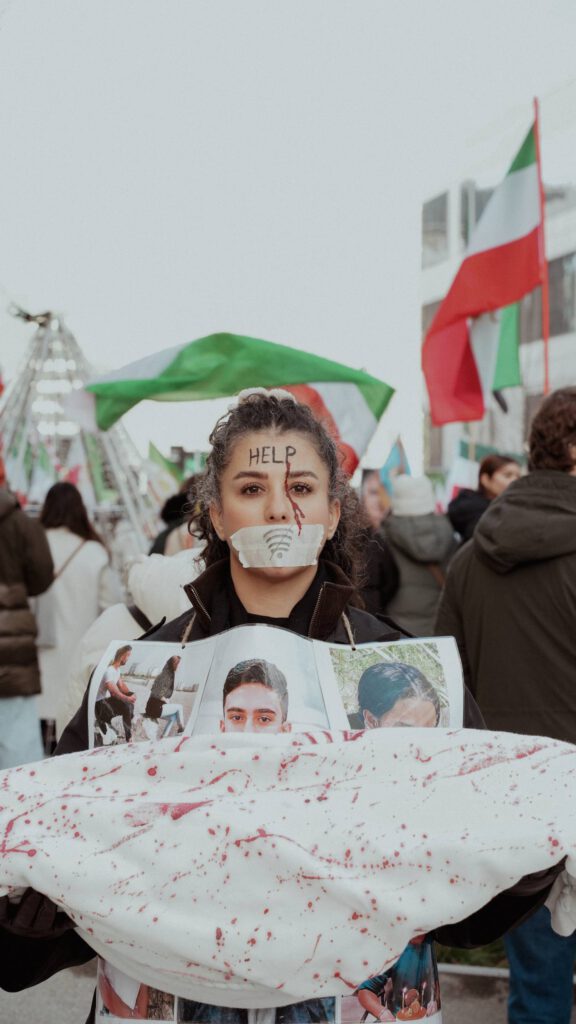
پس از اعتراضات سراسری دی ماه، ماشین کشتار جمهوری اسلامی، در اقدامی جنونآمیز، بیش از سی هزار ایرانی را در بیش از چهارصد شهر تنها در دو روز قتل عام کرد. این سطح از خشونت عریان، جایی برای تردید باقی نمیگذارد. همانطور که جان آدامز ۲۵۰ سال پیش فریاد زد: «خون ریخته شده است...» وقتی دولتی چنین بیپروا خیابانهای صدها شهر را با خون مردم خود غرق میکند، قرارداد اجتماعی برای همیشه باطل میشود. ایران از نقطه بیبازگشت عبور کرده است. این دیگر ربطی به اصلاحات یا گفتگو ندارد؛ بلکه مربوط به استقلال ایران و بازپسگیری میهن از اشغالگران آن است.
در این برهه تاریخی، مردم ایران که به دنبال عبور از ... آرمانشهر شیعه، به منطقی روی آوردهاند که یادآور تجربه اروپای شرقی در قرن بیستم است. درست همانطور که واسلاو هاول، در قدرت بیقدرتان، از ساختن یک «شهر موازی» در برابر قدرت متمرکز صحبت میکرد، ایرانیان امروز با اعلام استقلال روانی و مدنی از نظام حاکم، پایههای یک حکومت مبتنی بر قانون را بنا میکنند.
در اینجا، اندیشه هانا آرنت به پلی بین مقاومت مدنی و بنیانگذاری آزادی تبدیل میشود. آرنت به ما میآموزد که نجات. رهایی از استبداد تنها گام نخست است؛ آنچه یک انقلاب را کامل میکند، قانون اساسی آزادی در عرصه عمومی. از نظر آرنت، آزادی تنها در چارچوب یک جامعه سیاسی تحت حاکمیت قانون امکانپذیر است، فضایی که در آن قانون نه برای سرکوب، بلکه برای حفاظت از تکثر انسانی و حق زندگی وجود دارد. ملت ایران به این درک رسیده است که پایان دادن به سلطه ترور مستلزم بازپسگیری عرصه عمومی و بازسازی آن حول محور قانون است. در آرمانشهر شیعه، تیراندازی کنید. تنها ابزار حکومت است و انسانها بدون هیچ قید و بندی در قربانگاه ایدئولوژی قربانی میشوند. این آرمانشهر دقیقاً بر اساس منطقی عمل میکند که شیگالیوف، نظریهپرداز انقلابی در رمان داستایوفسکی، آن را بیان کرده است. شیاطیناگر برای رسیدن به هدف ایدئولوژیک باید صد میلیون نفر کشته شوند، باشد که چنین شود.
در مقابل، خواستهی امروز در خیابانهای ایران، صریحاً مثبت است: بازگشت زندگی به ایراناینجاست که شعارهای مردمی از نفی محض فراتر میروند و به بازخوانی تاریخی میرسند. معترضان در جستجوی نمادی از مدرنیزاسیون و حاکمیت ملی که پیش از اشغال ۴۷ ساله تجربه شده بود، به نهاد سلطنت روی آوردهاند. در تصور جمعی، سلسله پهلوی نه یک خاطره نوستالژیک، بلکه نمادی ملموس از یک نظام سیاسی است که در آن اصول قانونی جایگزین شده فتوا و بورس سهام و ارز جایگزین شده اتلاف.بنابراین، اشاره به سلطنت در شعارهای امروزی، ژستهای ارتجاعی نیستند، بلکه واکنشهای استراتژیک با هدف بازپسگیری [حق] هستند. زندگی عادی، گذار از یک ایدئولوژی مرگ محور به یک نظم سیاسی سکولار که در آن دولت نه متولی بهشت اجباری، بلکه ضامن حقوق زمینی شهروندان است.
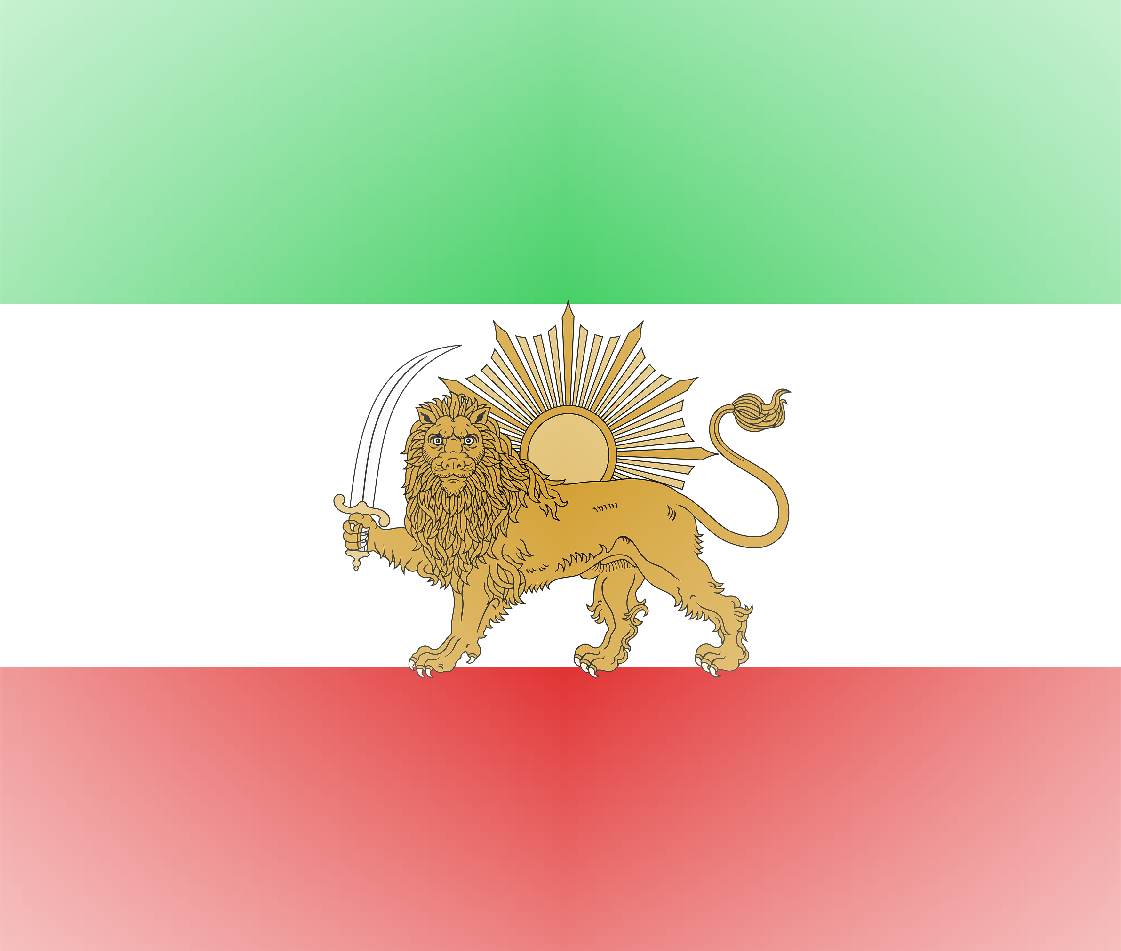
این تنها راه رستگاری ماست: بازگشت ابدی به ایران و وحدت زیر پرچم ملی هزاران سالهاش، شیر و خورشیدصرف نظر از وابستگی سیاسی. ما نباید به کسانی که امیدهای اخروی را موعظه میکنند و زندگی را فدای وعدههای زندگی پس از مرگ میکنند، ایمان بیاوریم. وقتی قدرت حاکم مرگ را تقدیس میکند، بازگشت به ریشههای ملی و نهادهای هویتساز به بالاترین شکل مقاومت تبدیل میشود. هیچ رنجی نمیتواند و نخواهد توانست ما را به سوگواری تسلیم وادار کند یا ما را به شهادت علیه [چیزی] وادارد. زندگی ما باید انسان ایرانی را به زندگی در این جهان بازخوانی کنیم. ما باید با هم در این بازگشت ابدی به سیاست ایرانی، فراتر از خیر و شر ایدئولوژیک، فراتر از مفاهیم نادرست درست و غلط، و فراتر از هر چیزی که ما را به هم پیوند میدهد، شرکت کنیم و زندگی را روز به روز بر ویرانههای این استبداد مذهبی از نو بسازیم.
آینده از آن ماست، آیندهای که دیگر در اتاقهای تاریک یا پشت درهای بسته شکل نمیگیرد، بلکه در خیابانهای آزاد ساخته میشود و در نهایت در صندوقهای رأی ابراز میشود. در آن روز بزرگ، ملت ایران بین دو گزینه ملی، جمهوری یا سلطنت مشروطه، شکل جدید حکومت خود را انتخاب خواهد کرد. این صرفاً یک انتخاب سیاسی نخواهد بود، بلکه جشنی برای بازگشت به استقلال ملی است. اراده و پایان دوران اشغال و آرمانشهر شیعی: روزی که قانون، زاده آرای شهروندان، ضامن ابدی حیات و آزادی در سرزمین هفت هزار ساله ایران بزرگ میشود.
*رولا زمزمه: روزنامهنگار ارشد دیپلماتیک در نهادهای اروپایی.
a